The history of hiking in Central Oregon is deeply rooted in the area's earliest transportation routes, transforming from vital pioneer and military passages into cherished recreational trails. Long before settlers arrived, ancient networks of Native American footpaths and animal traces crisscrossed the high desert and Cascade Mountains. In the mid-19th century, these trails were adopted and formalized by explorers, fur traders, and pioneers. Routes like those used by the Meek Wagon Train (1845) or the later Central Oregon Military Wagon Road (1864) were brutally difficult, cut through the wilderness to facilitate commerce and settlement, but they laid the geographical groundwork for many of today's mountain and forest trails, often following the most logical paths over the rugged terrain. These early travelers were not hiking for pleasure; they were charting a course for survival and a new life.
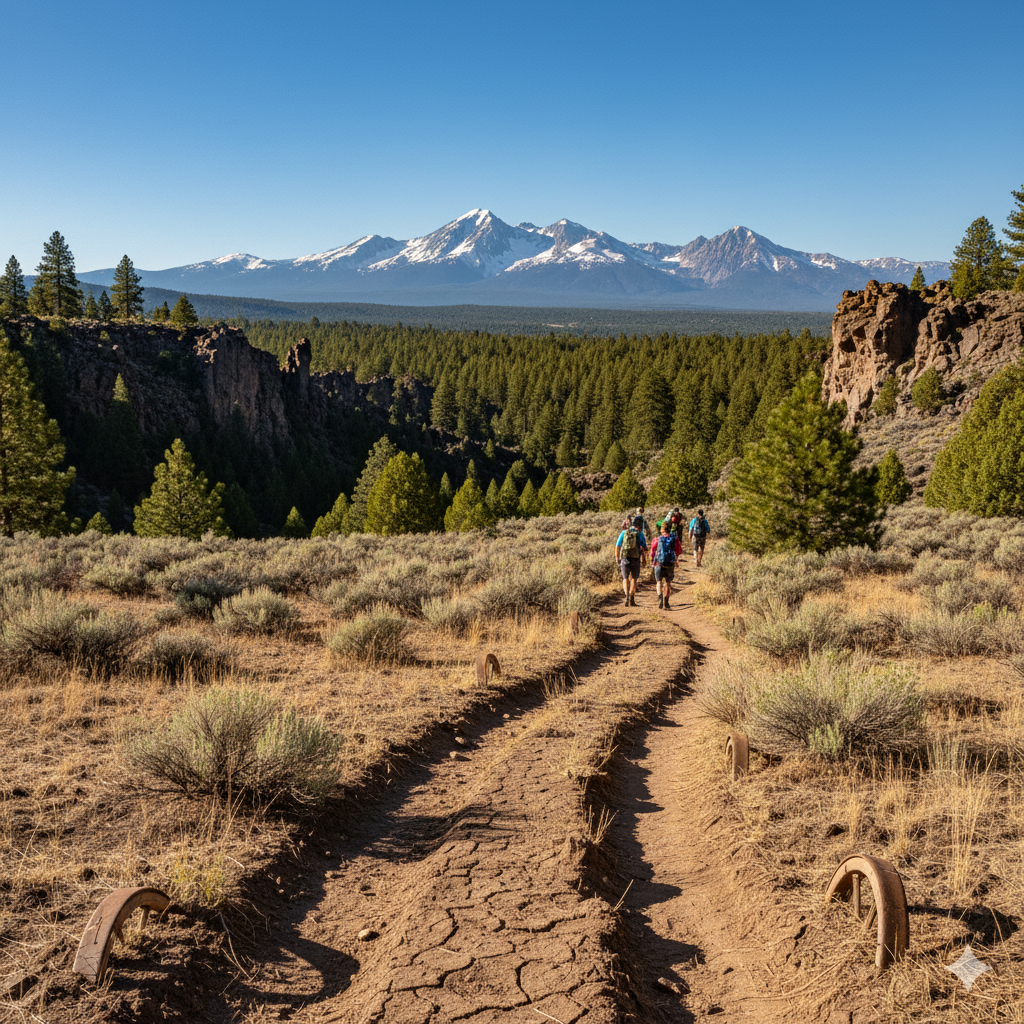
As Central Oregon transitioned from a frontier region to established communities in the 20th century, the old wagon roads and logging tracks were gradually rediscovered and repurposed for leisure. The spectacular landscapes of the Cascade Mountains, the Deschutes River canyon, and the unique volcanic features provided an irresistible backdrop for outdoor pursuits. Over time, the concept of "recreational hiking" gained traction, spurred by the creation of National Forests, Wilderness Areas, and organizations dedicated to trail maintenance and preservation. Today, the Deschutes National Forest alone supports over 2,000 miles of trails, a testament to this growth.
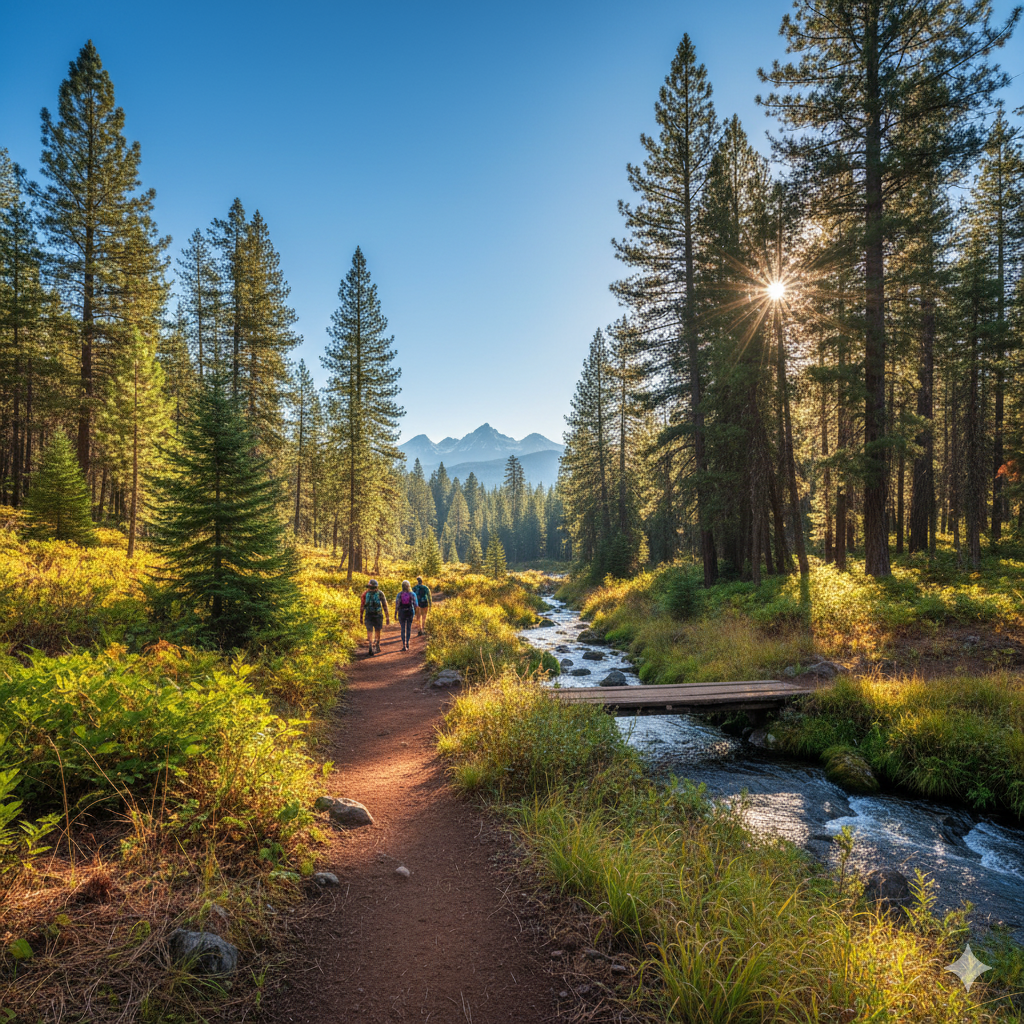
In recent decades, hiking has exploded in popularity, transitioning from a niche outdoor activity to a mainstream local passion and a major driver of the regional economy. The community-oriented development of extensive trail networks, such as the numerous paths in and around Bend and Redmond, has made hiking highly accessible to residents and visitors alike. This massive growth in popularity is driven by both locals who value the quality of life offered by accessible outdoor amenities and by tourism, making Central Oregon a top destination for hiking, mountain biking, and general outdoor recreation. This sustained interest has necessitated greater focus on the sustainability of the trails, with local groups and the U.S. Forest Service working together to maintain and fund the sprawling, heavily-used network.